November 10, 2026
Displaying artwork involves more than finding an attractive place on the wall. The way a piece is framed influences how its colors, texture, and subject are experienced, while helping protect it from everyday damage. A carefully selected custom frame gives artwork a finished appearance without competing with what makes it special. Whether you are framing an original painting, family photograph, limited-edition print, or meaningful keepsake, the right choice should balance appearance, protection, and budget.
Custom framing offers options beyond ready-made sizes and standard finishes, allowing you to accommodate unusual dimensions and select materials that suit the artwork.
What Factors Should You Consider When Selecting a Custom Frame?
Start by considering the artwork itself. Its dimensions determine the frame size, but its medium, condition, colors, and visual character matter, too. A delicate watercolor may benefit from a mat and glazing that keep the paper from touching the glass. A canvas painting needs different construction and often does not require glazing. The framing approach should respond to the piece rather than forcing every item into the same design.
Accurate measurements are essential. A frame that is too small can cover important edges, while one that is too large may distract from the artwork. A professional framer can measure the piece, account for the mat opening, and recommend balanced proportions. An unusual shape or size may require a custom frame.
Material is another important consideration. Wood offers a range of colors, grains, and profiles, from natural finishes to ornate detailing. Metal frames create a clean, streamlined edge and can work especially well with contemporary photography, prints, and graphic art. Choose based on the artwork's style, display environment, and durability needs.
Think about preservation as well as appearance. Acid-free mats and backing can help reduce discoloration and deterioration, particularly for works on paper. UV-filtering glazing limits exposure to damaging ultraviolet light, although it cannot eliminate all fading risks. Ask about conservation-quality materials for valuable, sentimental, or fragile pieces.
How Do Different Frame Styles Affect Your Artwork's Presentation?
Frame styles shape a viewer's first impression. Classic frames feature traditional profiles, warm wood tones, metallic finishes, or decorative details. They complement portraits, landscapes, and traditional paintings, but ornate profiles should not overwhelm small or delicate pieces.
Modern frames use simpler lines and restrained finishes. Narrow metal profiles, smooth painted wood, and crisp edges suit abstract art, photography, and contemporary prints. Black or white provides contrast, while wood introduces warmth.
Minimalist framing takes a quieter approach. Thin profiles, subtle colors, and generous matting allow the artwork to remain the focal point. This can be effective for detailed pieces, limited color palettes, or images with plenty of open space. A minimalist custom frame is not necessarily plain; its proportions and finish still need to feel balanced.
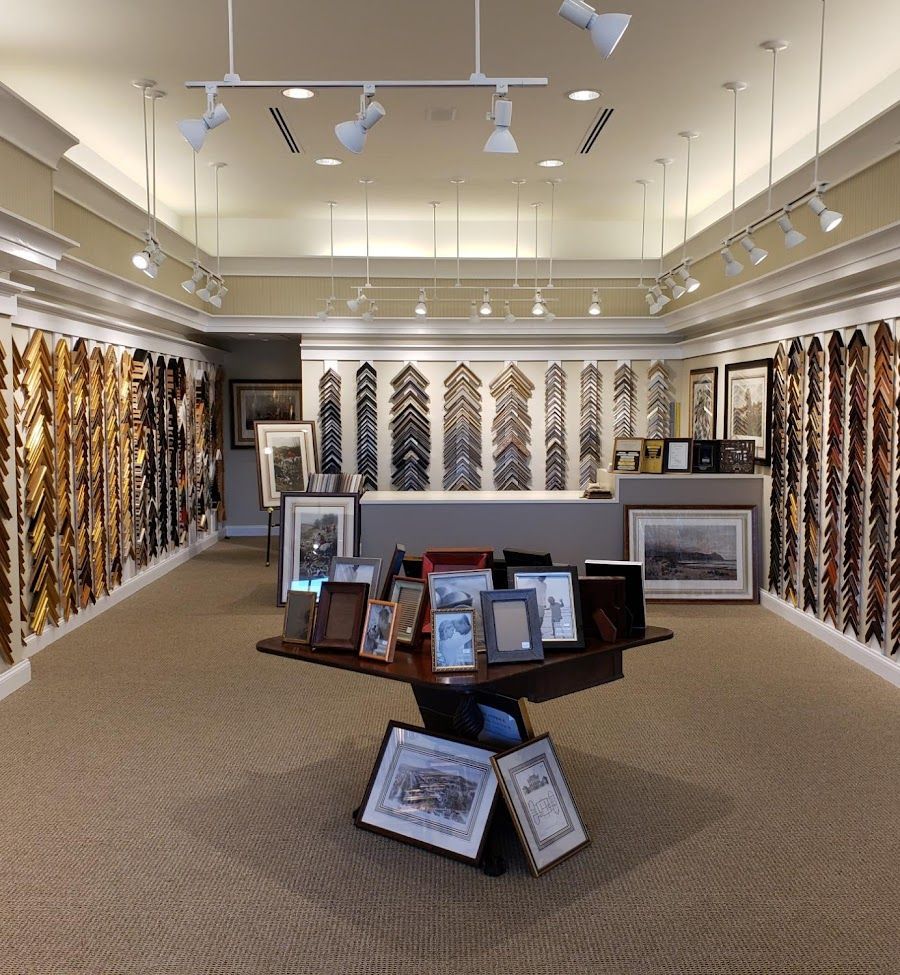
Specialty approaches are worth considering, too. Floating frames leave space around the edges of canvas artwork, while deep profiles can add dimension. A carefully selected mat separates the image from the glazing. Compare samples beside the artwork before deciding, since a finish that looks appealing on its own may feel different next to the piece.
What Are the Benefits of Using Custom Frame Services?
The main advantage of professional custom framing is the ability to tailor the result to the artwork. Instead of choosing from limited standard dimensions, you can select the size, profile, finish, mat, and glazing combination that suits the piece. This flexibility is useful for oversized art, unusual shapes, heirlooms, and objects requiring specialized mounting.
A framer can explain standard and conservation materials, identify concerns with fragile media, and recommend suitable mounting methods. For valuable or delicate work, this guidance can be as important as appearance.
Quality workmanship matters, too. Accurate measuring, clean mat cuts, secure assembly, and suitable hanging hardware contribute to a polished result. Poor mounting can cause artwork to shift, buckle, or touch glazing when it should remain separated. Experienced providers understand how to support different media and can explain options before work begins.
The broader art-care industry reflects growing interest in maintaining and preserving valuable pieces. According to WiseGuy Reports, the art restoration service market is expected to grow at a compound annual rate of approximately 7.5% from 2025 to 2035. Although restoration and framing are distinct services, this forecast underscores the importance of caring for artwork. A well-planned custom frame can contribute by providing appropriate support and protection.
How to Match Your Custom Frame with the Interior Decor?
A frame should work with both the artwork and the room. Consider dominant colors, furniture finishes, architectural details, and the overall atmosphere. Natural wood may connect with wood furniture or warm flooring, while a black profile can echo dark fixtures and create definition against a light wall. Exact matching is unnecessary; complementary finishes often look more natural.
Keep the artwork the priority. With bold wallpaper or colorful furnishings, a restrained frame prevents visual crowding. In a neutral room, a distinctive profile may add character. A finish can pick up a secondary color in the artwork or contrast with it.
Scale matters as much as color. Large artwork may need a substantial profile to feel proportionate, while a small photograph can disappear inside an oversized frame without carefully planned matting. For a gallery wall, consider how frames relate as a group. They do not have to match, but consistent spacing or complementary finishes can make the arrangement feel organized.
Avoid displaying sensitive artwork in direct sunlight or areas with excessive humidity or temperature changes. Glazing cannot prevent every kind of environmental damage, so choose a location that supports the artwork's condition.
What Are the Cost Considerations Involved with Custom Framing?
Prices vary according to dimensions, frame material, profile, matting, glazing, backing, and labor. Larger pieces generally require more materials, while ornate or specialty profiles may cost more than simple designs. Conservation-grade materials and UV-filtering glazing can increase the initial price, but may be worthwhile for valuable or sentimental items.
Ask for an itemized estimate before approving a project. This helps you understand which choices account for the cost and where adjustments are possible. You might select a simpler profile while keeping archival matting, or choose glazing based on the artwork's value and display conditions. A reputable provider should explain the trade-offs rather than pressure you toward the most expensive package.
Set a realistic budget, but do not make price the only factor. Inexpensive materials may suit posters, while original artwork and family keepsakes may justify greater investment in preservation.
If you have several pieces, frame them in stages, prioritizing fragile, valuable, or meaningful works. Compare estimates from qualified framers using similar materials and services. A well-chosen
custom frame offers lasting value through protection, sound construction, and an appropriate presentation.
Choosing a frame is an opportunity to enhance artwork while helping preserve it. Consider the piece's dimensions, medium, colors, and condition before settling on a material or style. Classic, modern, and minimalist options each create a different effect, so compare samples and picture the finished piece in its intended setting.
Professional framing services provide tailored sizing, quality materials, and experienced advice. By discussing preservation needs, reviewing an itemized estimate, and balancing design preferences with practical considerations, you can make an informed decision. The right custom frame should complement the artwork rather than compete with it, fit naturally into your space, and help you enjoy the piece for many years. If you're looking for custom framing, reach out to Buchanan & Kiguel Fine Custom Picture Framing today!