July 22, 2026
Family heirlooms carry not only monetary value but also deep sentimental and historical significance. Over the years, these treasured items often experience deterioration due to various environmental and physical factors. Recognizing the signs of such damage is crucial in deciding when to seek a professional art restoration service. Timely intervention can slow down or halt further degradation, ensuring the heirlooms' continued presence in family history and preserving their aesthetic and historical integrity for future generations.
Each heirloom has its own story to tell, often intertwined with memorable events. These stories can sometimes become lost beneath layers of dirt, dust, and structural damage acquired over time. Understanding the crucial signs of deterioration is the first step in ensuring these pieces continue to serve as legacies. By consulting with experts, families can receive the guidance needed to maintain their treasures effectively, revitalizing the narratives they represent.
Identifying Environmental Damage
Temperature fluctuations and unstable humidity levels have devastating effects on family heirlooms, particularly those made of organic materials. Drastic shifts in temperature cause expansion and contraction cycles, leading to warping or cracking in wood and canvas. High humidity introduces moisture into pores and crevices, which increases the likelihood of mold and mildew growth. Conversely, low humidity causes materials to dry out and become brittle, making them highly susceptible to tears and fractures.
Light exposure, particularly ultraviolet radiation, is notorious for causing fading and chemical breakdown in sensitive materials like textiles and oil paintings. This exposure breaks down molecular bonds, leading to pale colors and weakened structures. To prevent irreversible fading, protecting these items with UV-filtering glass or placing them in controlled lighting conditions is highly recommended by conservation experts who understand color fastness.
Water exposure and pest infestations also present severe threats to family treasures. Water causes rapid swelling, staining, and mold development, requiring immediate stabilization. Meanwhile, pests like woodworms or termites burrow into organic substrates, leaving structural tunnels that can crumble under pressure. When these environmental hazards compromise your collection, consulting a professional art restoration service is essential to halt the deterioration and permanently defend the integrity of your pieces.
Recognizing Physical Wear and Tear
Physical wear often manifests as surface scratches, structural cracks, and frame deterioration. Objects that are frequently handled or moved accumulate abrasions that diminish their original luster and market value. While minor surface scratches can sometimes be polished away carefully, deep structural cracks require specialized structural stabilization to ensure the artwork does not suffer further physical separation or catastrophic loss.
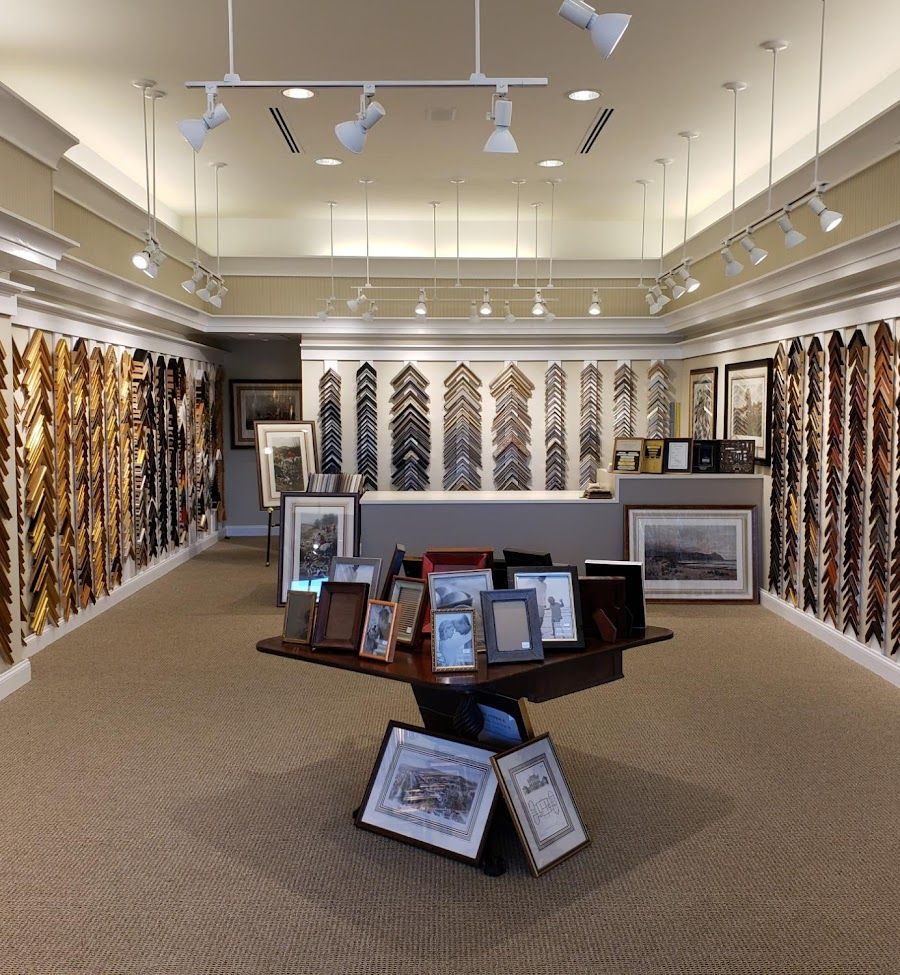
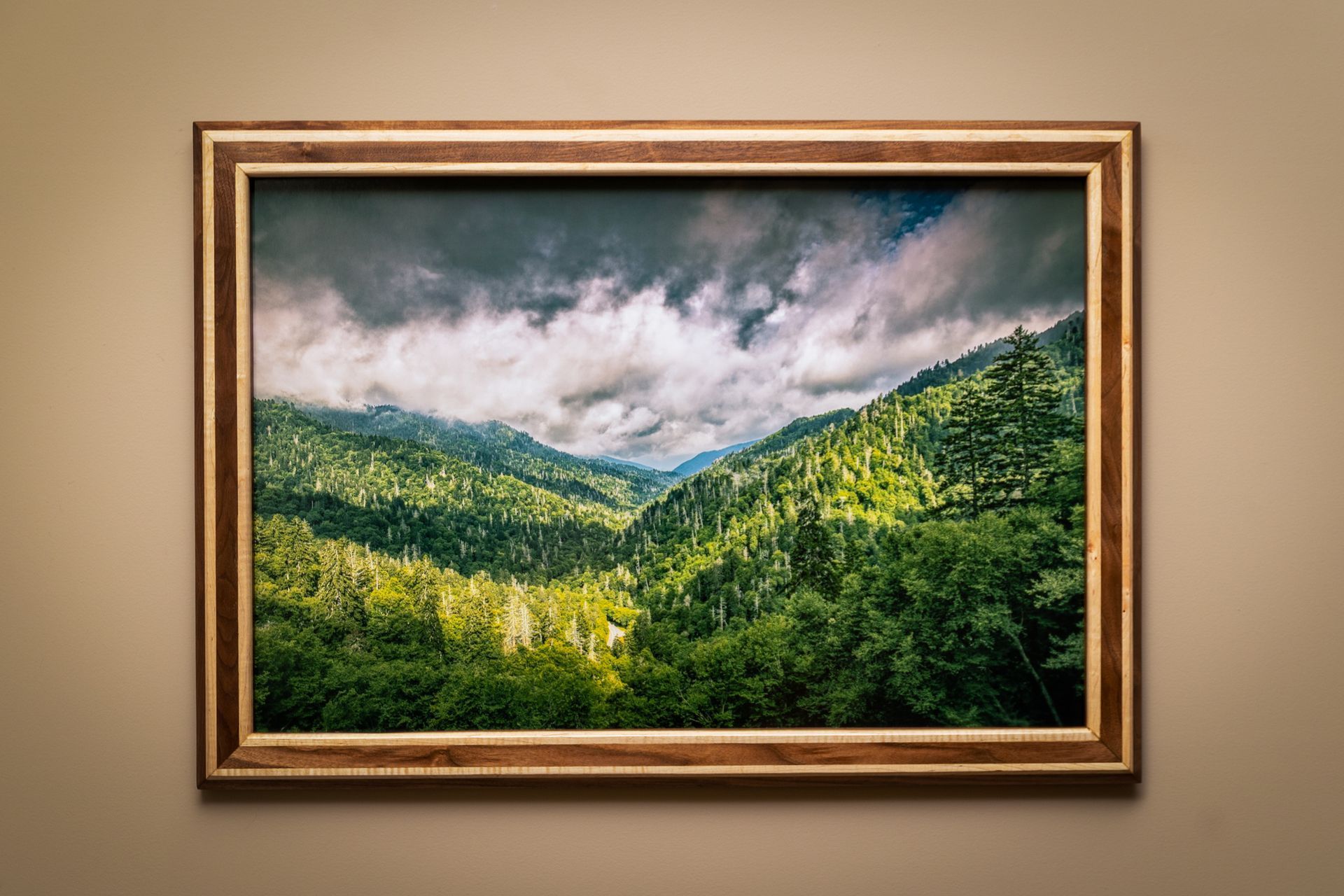
Frames do more than just display art; they protect it. Over time, frames can warp, lose their gilding, or pull away from the artwork, exposing the edges to environmental hazards. Addressing frame deterioration early prevents physical stress from transferring to the canvas or paper inside. Utilizing archival backing and modern mounting techniques helps secure the piece against future physical damage and external shocks.
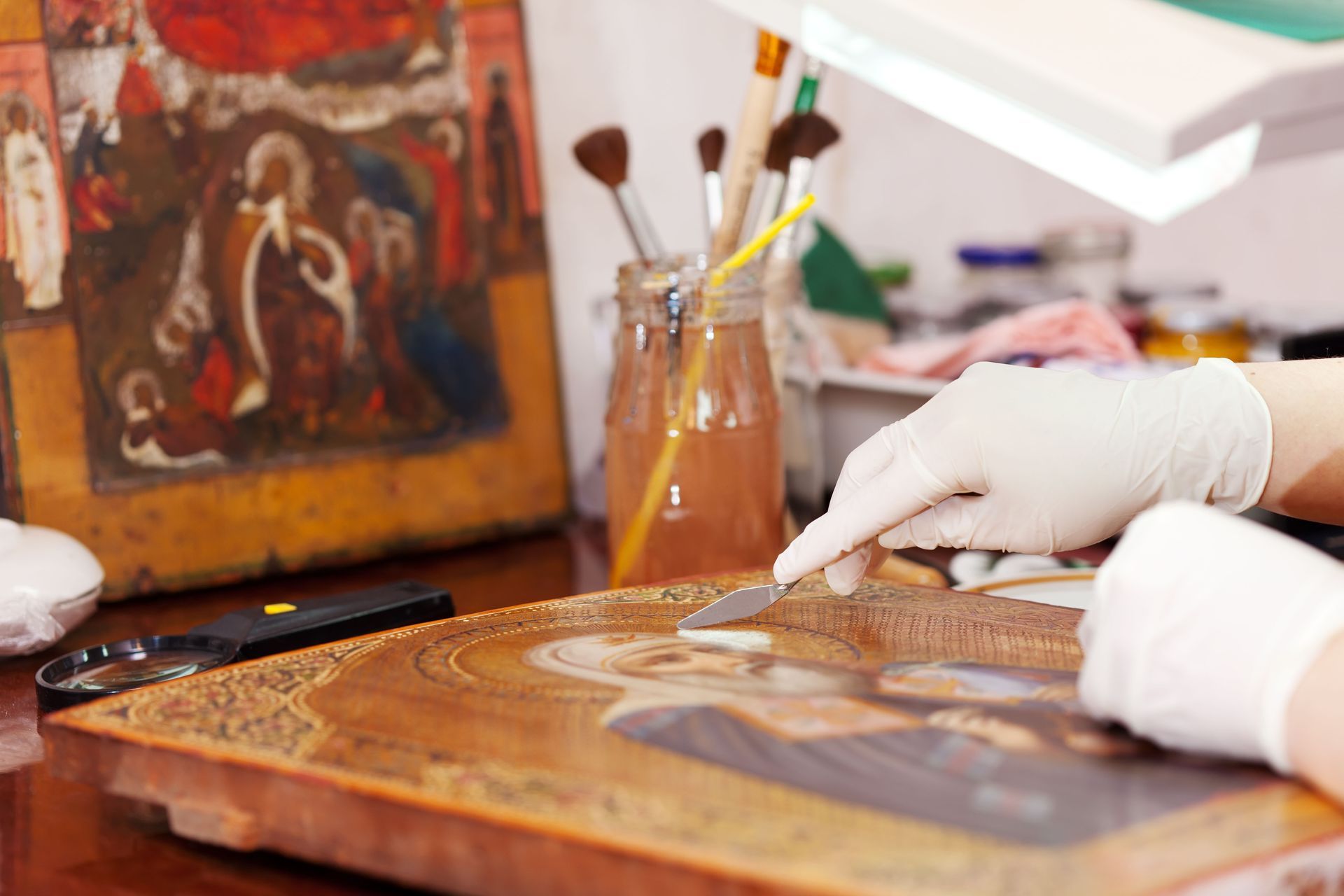
Peeling paint, cracking varnish, and fading pigments indicate that the protective surface layers of an artwork are failing. When varnish yellowing or paint flaking occurs, the visual clarity of the piece is severely compromised. Resolving these issues requires a specialized art restoration service to carefully remove degraded varnish coatings and consolidate loose paint layers without disturbing the original medium underneath, restoring the vibrant look.
Evaluating Historical and Cultural Significance
The historical and cultural significance of an heirloom often dictates the care and preservation methods required. Authenticity and provenance establish an item's origin and historical journey, which directly impacts its cultural value. When preserving pieces with documented histories, conservators must prioritize minimal intervention to ensure the original character and historical integrity remain completely intact throughout the process.
Items associated with notable historical events or specific cultural heritages carry value far beyond their physical materials. These pieces act as tangible touchstones to the past, connecting generations through shared history and customs. Protecting these assets requires a deep respect for their cultural narrative, using conservation methods that honor the artist's original intent and the specific historical period.
Rare or unique items with high sentimental value require a delicate balance between physical stabilization and aesthetic preservation. Whether a piece is a rare masterwork or a beloved family portrait, the restoration process should focus on keeping the item's unique identity intact. Partnering with a dedicated art restoration service ensures that both the emotional and historical weight of the object are fully respected during treatment cycles.
Assessing Age and Material Composition
The longevity of an heirloom is inherently tied to its material composition, as different mediums age at vastly different rates. Wood, paper, canvas, and metal all possess unique chemical vulnerabilities. Understanding how these materials decay naturally helps owners differentiate between an acceptable, historic patina and active, destructive rot that requires immediate professional intervention to save the object.
According to Art News & Views, smaller art restorations may take only a few weeks to complete, but larger or more damaged art pieces may take months. The timeline is highly dependent on the stability of the support materials and the complexity of the chemical treatments required. A thorough initial assessment by a trained professional helps establish a realistic preservation plan tailored to the specific needs of the medium and the damage present.
Choosing an experienced conservator to evaluate your collection provides valuable insight into material preservation. A professional assessment helps identify hidden structural weaknesses, previous low-quality repairs, and the presence of acidic framing materials. This diagnostic step is crucial for establishing preventative maintenance routines that extend the lifespan of your most delicate paper, textile, or canvas heirlooms for decades to come.
Analyzing Prior Restoration Interventions
Many family heirlooms have undergone previous amateur repair attempts, some of which may have been executed using non-archival materials or outdated techniques that accelerate decay over time. Over time, old adhesives can yellow, shrink, and become brittle, while non-archival backing boards release harmful, corrosive acids that slowly discolor paper and compromise fragile fibers in the substrate. Identifying and reversing these unstable historical repairs is a common necessity in modern preservation work.
Visible repair marks, clumsy overpainting, and mismatched fills can severely detract from an artwork's aesthetic appeal and financial value. Modern conservation practices emphasize reversibility, meaning any new materials applied can be safely removed in the future without damaging the original artwork underneath. Replacing old, failing repairs with stable, conservation-grade materials dramatically improves both the appearance and physical stability of the piece, rectifying past mistakes while respecting the original artistry involved.
Leveraging modern scientific techniques allows conservators to analyze the layers of an artwork before beginning any physical treatment. Utilizing advanced technology ensures that new interventions are highly precise and fully compatible with the historic medium and its unique properties. Trusting your treasures to a qualified art restoration service ensures they receive the highest standard of meticulous, chemically stable care available in the industry today.
Proactive care, regular inspections, and controlled display environments are key to safeguarding your family's history and ensuring these heirlooms survive for future generations. When physical degradation, environmental wear, or failing past repairs threaten to erase these priceless memories, professional conservation offers a reliable, highly protective path forward. Preserving these items ensures that the stories, craftsmanship, and memories they hold remain intact for many years to come. For more information about the services that we offer, reach out to our incredible team at Buchanan & Kiguel Fine Custom Picture Framing today!